The Heart of Brazilian Cacao: Bahia and Amazon Origins
Brazilian cacao reflects the country's rich ecosystems, from Bahia's coastal farms to the Amazon's riverine wilds. Each region produces beans with unique characteristics, rooted in native genetics, traditional practices, and a commitment to regenerating the land.
Bahia: The Cabruca Legacy
In Bahia, cacao thrives under the cabruca agroforestry system, where beans grow beneath the canopy of native Atlantic Forest trees. This method preserves biodiversity, enriches soil, and protects against deforestation, creating a harmonious balance between agriculture and nature. The beans, often Trinitario hybrids from trees over 70 years old, carry a warm, approachable flavor profile. Expect notes of molasses, honey, and red fruits like plums or cherries, layered with subtle spices—think cinnamon or nutmeg—and a whisper of jasmine tea. Unique genotypes like Catongo, with its kerosene-like edge, or FL89, evoking whisky, add intrigue for craft chocolatiers seeking complexity.
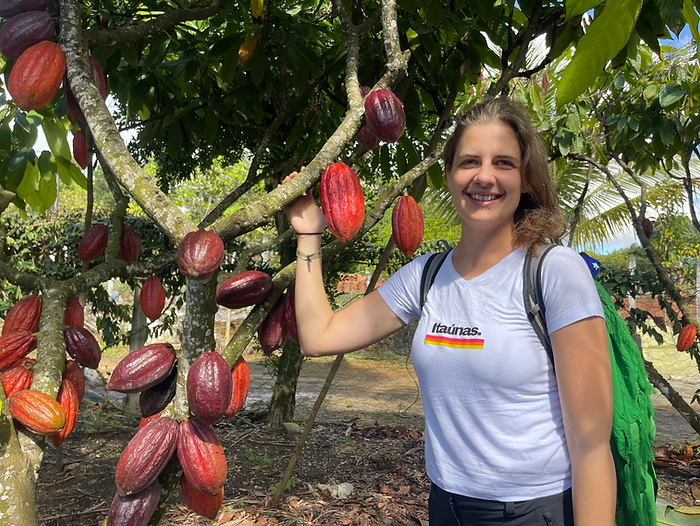
These flavors emerge from meticulous fermentation, where Bahian farmers control moisture and timing to enhance the beans' inherent richness. Unlike sharper profiles from other regions, Bahia's cacao offers a smooth, low-acidity base, making it ideal for conching into velvety European-style dark chocolate or blending into confections with nuts and caramel. The woody-chocolaty backbone ensures balance, avoiding the astringency that can dominate brighter beans.
Amazon: Wild and Savory Depths
In the Amazon, particularly Pará, cacao grows in riverine ecosystems, often wild or semi-wild, drawing from ancient Forastero genetics and local hybrids. These beans reflect the rainforest's lush intensity, with savory notes like black olive or tobacco blending into fudgy, brownie-like sweetness. Some lots surprise with green fruit vibrancy, evoking mango or passionfruit, while others lean into earthy, roasted depth. This complexity stems from the Amazon's fertile soils and humid climate, coupled with smallholder practices that prioritize natural fermentation to unlock nuanced flavors.
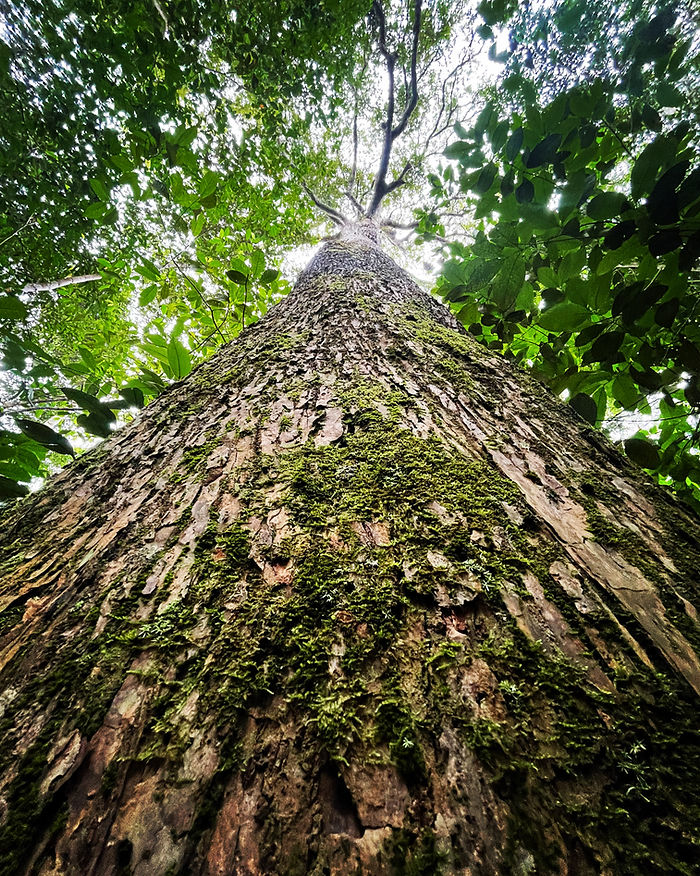
Amazonian cacao's robust yet approachable profile suits bold applications, from dense chocolate ganache to savory pairings with cheeses or smoked spices. Its grounded sweetness makes it a standout for wellness-focused uses, where the beans' depth resonates in meditative cacao ceremonies. The regenerative farming behind these beans—often paired with tree-planting initiatives—ties each harvest to the restoration of the Amazon, adding a layer of purpose to its flavor.
Contrasting Brazilian Cacao with Global Profiles
While Brazilian cacao shines in its own right, understanding its place in the global cacao landscape highlights its uniqueness. The U.S. market features beans from various regions, each with distinct traits that contrast with Brazil's offerings, allowing us to appreciate its niche.
Latin American (Andean and Coastal) Profiles
Cacao from Andean and coastal Latin American regions, often grown in volcanic soils or tropical lowlands, is known for its bright, citrusy acidity and floral intensity. Common notes include cherries, jasmine, green banana, and crisp apple, with a lively sweetness that can lean tart or honeyed. These beans, frequently Criollo or Trinitario hybrids, excel in single-estate bars where their vibrant complexity takes center stage, often paired with fruits or delicate spices. However, their pronounced acidity can overpower in blends or applications requiring subtlety, and their floral notes may not suit savory contexts.
In contrast, Brazilian cacao—particularly from Bahia—offers a warmer, molasses-driven profile with lower acidity. While Andean beans dazzle with citrus, Bahian beans provide a smooth, nutty foundation, ideal for European-style dark chocolates that emphasize balance over brightness. Amazonian beans, with their savory tobacco or olive notes, diverge further, offering a fudgy depth absent in Latin America's floral crispness, making them better suited for bold, grounding applications.
Caribbean Profiles
Caribbean cacao, often Trinitario-based, blends moderate acidity with nutty and fruity notes. Expect yellow fruits like citrus or dried apricots, alongside honey, toffee, and occasional floral or licorice hints. These beans shine in milk chocolate blends or baked goods, where their balanced sweetness complements creamy textures. Their acidity, while milder than Latin American profiles, can still dominate in darker formats, and their fruitiness leans lighter than Brazil's richer tones.
Brazilian cacao, especially from Bahia, counters with deeper red fruit and spice notes, offering a robust yet smooth base that integrates seamlessly into dark chocolates or confections. Amazonian beans, with their savory-fudgy character, provide a heavier, more grounded contrast to the Caribbean's lighter fruitiness, making them ideal for applications where depth trumps brightness, such as ceremonial drinks or savory pairings.
Other Tropical Profiles
Cacao from tropical regions like Southeast Asia often features earthy, herbal, or sour profiles. Notes of fresh prunes, star fruit, or woody herbs create a bold, sometimes smoky character, suited for spiced confections or beverages where acidity adds punch. These beans, often hybrids, can feel intense, with sour or herbal notes that require careful balancing in recipes.
Brazilian cacao, by comparison, offers a more harmonious profile. Bahia's honeyed spices and Amazon's fudgy savoriness avoid the sharp sourness or herbal edge of tropical origins, providing a versatile canvas for chocolatiers. This makes Brazilian beans particularly forgiving in recipes needing stability, such as baking or ceremonial blends, where their earthy warmth integrates without overwhelming.
Why Brazilian Cacao Stands Out for Specific Applications
Brazilian cacao's unique flavors and sustainable roots make it exceptionally suited for a range of applications, filling gaps left by brighter, more acidic profiles in the U.S. market.
Artisanal Chocolate Making
Bahian cacao's molasses, red fruit, and spice notes are tailor-made for European-style dark chocolate, where smooth conching highlights its low-acidity warmth. Unlike the tart vibrancy of some Latin American beans, Bahia's balance ensures a refined, crowd-pleasing bar that pairs well with nuts, honey, or caramel. Amazonian beans, with their fudgy, brownie-like depth, excel in ganache, truffles, or bold single-estate bars, offering a robust alternative to the floral intensity of other regions. Their savory edge adds complexity to craft chocolate, appealing to makers seeking novel profiles.

Ceremonial and Wellness Uses
The grounded, savory notes of Amazonian cacao—think black olive or tobacco—resonate deeply in ceremonial drinks, evoking the ancient Amazonian traditions from which cacao originated. Unlike the sharp acidity of some tropical or Caribbean beans, Brazilian cacao's smoother profile creates a meditative, warming experience, ideal for wellness rituals. Bahian beans, with their spiced florals, complement this use, offering a gentle, honeyed sweetness that feels approachable yet profound.

Pairings and Infusions
Brazilian cacao's versatility shines in pairings. Bahia's red fruit and spice notes enhance confections with almonds, hazelnuts, or dried cherries, providing a warm backbone that contrasts the bright fruitiness of Andean beans. Amazonian cacao's savory depth pairs uniquely with cheeses, smoked salts, or even charcuterie, offering a bold alternative to the lighter, nutty Caribbean profiles. This makes Brazilian beans a go-to for innovative chefs exploring savory-sweet boundaries.

Baking and Confections
In baking, Brazilian cacao's molasses-honey (Bahia) and fudgy tobacco (Amazon) notes add depth to cookies, cakes, or caramels without the aggressive acidity of some tropical origins. Their balanced profiles ensure consistency in recipes, unlike brighter beans that can clash with rich ingredients. This makes Brazilian cacao ideal for bakers seeking reliable, flavorful ingredients for premium desserts.

The Sustainable Story Behind Brazilian Cacao
Beyond flavor, Brazilian cacao carries a legacy of sustainability. Bahia's cabruca system preserves the Atlantic Forest, supporting wildlife and soil health, while Amazonian farming integrates tree-planting to combat deforestation. Partnerships with indigenous and smallholder farmers ensure fair wages and community empowerment, tying each bean to a broader mission of ecological restoration. This narrative resonates with U.S. consumers and businesses prioritizing traceable, ethical ingredients, setting Brazilian cacao apart in a market hungry for purpose-driven products.
Conclusion
Brazilian cacao, with its earthy warmth from Bahia and savory depth from the Amazon, offers a unique addition to the U.S. cacao landscape. Unlike the bright, floral, or sour profiles of other regions, its balanced versatility suits artisanal chocolate, ceremonial drinks, and innovative pairings, filling a niche for makers seeking distinctive flavors. Rooted in sustainable practices, Brazilian cacao tells a story of tradition and regeneration, inviting chocolatiers and wellness enthusiasts to explore its rich potential. As the craft chocolate scene evolves, these beans offer a fresh perspective, blending heritage with innovation in every bite or sip.